
You can have the best forex trading signals in the world and still lose money—not because the analysis is wrong, but because your execution is sloppy.
If you’ve ever entered late, sized too big, moved your stop loss “just a little,” or took profit too early, this guide is for you.
In this step-by-step breakdown of forex signal execution, we’ll show you exactly how professional traders execute signals with discipline—using today’s realistic market context (EUR/USD 1.0520, GBP/USD 1.2680, USD/JPY 149.50, DXY 106.80, Gold XAUUSD $2650).
TL;DR: Professional Forex Signal Execution in 60 Seconds
- Execution beats “prediction.” Most signal users fail from late entries, wrong lot sizes, and emotional stop changes—not from bad signals.
- Risk first, always. Decide your % risk and lot size before you place the trade; don’t “feel it out” mid-trade.
- Use a rules-based entry window. If price runs away, don’t chase; wait for the pullback or skip.
- Manage TPs like a pro. Split positions into TP1/TP2/TP3, move SL intelligently, and trail only when structure supports it.
- Respect sessions and volatility. London/NY are prime; news spikes can destroy perfect entries if you ignore timing.
- Journal execution mistakes. Fixing one recurring error can outperform switching providers every month.
Why “Forex Signal Execution” Is the Real Edge (Not the Signal)
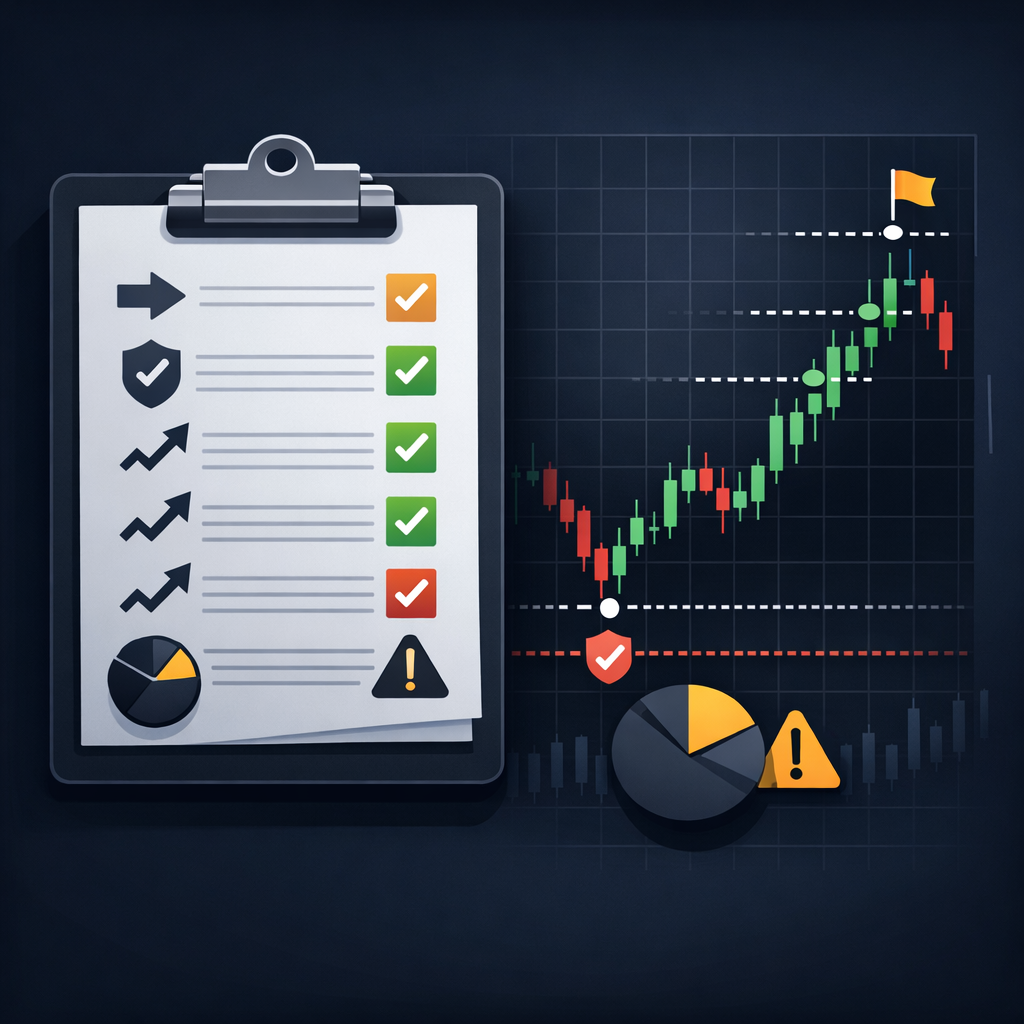
Most traders think the hard part is finding entries.
Professionals know the hard part is executing the same way every time, especially when price moves fast and your emotions move faster.
Let’s make this real with a common scenario.
You receive a EUR/USD buy signal at 1.0520 with SL 1.0490 (30 pips) and TP 1.0580 (60 pips).
It’s a clean 1:2 setup.
But you enter at 1.0532 because you hesitated.
Now your stop is effectively 42 pips away, your reward shrinks, and the trade that was designed to be statistically profitable becomes a coin flip.
This is why how to trade signals matters as much as which provider you use.
At United Kings, we publish premium Telegram signals with clear Entry, SL, and TP levels, built around London and New York sessions.
But the trader who executes professionally will always outperform the trader who executes emotionally—even with the same exact signal.
Execution is also where you protect your account from “death by a thousand cuts.”
One oversized position, one revenge trade, one moved stop loss—these are not strategy problems.
They’re execution problems.
And the good news is this: execution is a skill you can systemize.
In the next sections, we’ll build your execution framework from the ground up—entry timing, sizing, multi-TP management, trailing stops, and the most common mistakes that destroy otherwise good signals.
Know the Signal Format: What Pros Confirm Before Clicking “Buy/Sell”
Professional execution starts with one habit: confirm the signal structure before you place anything.
Not “skim it.” Not “I get the idea.” Confirm it like you’re a pilot reading a checklist.
The 6 data points you must identify
- Instrument: EUR/USD, GBP/USD, USD/JPY, XAUUSD (gold), etc.
- Direction: Buy or Sell.
- Entry type: Market entry now, limit order, or entry zone.
- Stop loss: Exact price level (not “around”).
- Take profits: TP1/TP2/TP3 or a single TP.
- Execution notes: Session timing, news caution, partial close rules, or “wait for confirmation.”
If any one of these is unclear, your execution becomes improvisation.
Improvisation is where retail accounts get crushed.
Market vs. limit: the execution difference that changes everything
A market entry means you accept current price and prioritize getting filled.
A limit entry means you prioritize price quality and accept that you might miss the trade.
Professionals are comfortable missing trades.
Amateurs chase them.
Example with today’s context:
USD/JPY is around 149.50 with DXY at 106.80.
If a signal says Sell USD/JPY 149.60–149.80, that’s an entry zone, not a single price.
If price is 149.52, you don’t short immediately just because you’re “close.”
You wait for the zone or you skip.
Checklist: confirm execution compatibility with your broker
- Is your broker 5-digit pricing (e.g., 1.05203) while the signal is 4-digit (1.0520)?
- Is spread currently wide (common at rollover or illiquid hours)?
- Do you have enough margin to split into multiple TPs?
- Are you on a swap-free account that changes cost structure?
If you’re still choosing providers, our detailed screening resource helps you avoid the common traps: forex signals provider checklist for beginners.
And if you want to see how our signal ecosystem is structured across markets, start here: United Kings signals overview.
Step-by-Step: The Professional Pre-Trade Routine (2 Minutes, Every Time)
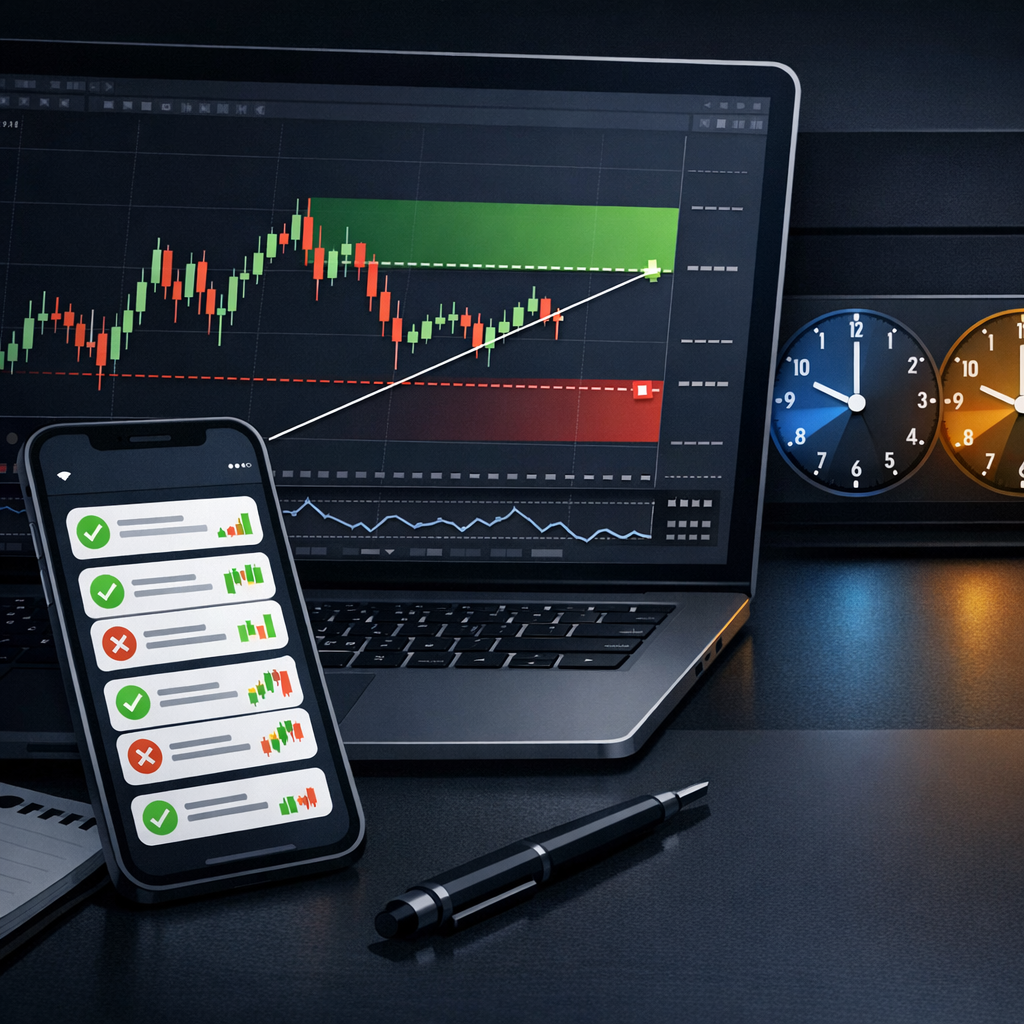
Professionals don’t “wing it.”
They run a routine that keeps execution consistent across good days and bad days.
This is the simplest 2-minute routine we’ve seen work for thousands of traders.
Step 1: Check session and liquidity
United Kings focuses heavily on London and New York sessions because that’s where liquidity and follow-through are strongest.
If it’s late Asia and spreads are wider, you must be stricter with entries.
Step 2: Check the “red flag” calendar window
You don’t need to become a macro economist.
You do need to know if a high-impact release is about to hit your pair.
Examples: CPI, NFP, FOMC, BOE rate decision.
On news days, a perfect stop can get tagged by a 20–40 pip spike before the real move begins.
Gold traders feel this even harder.
With XAUUSD at $2650 (+0.35% on the day), it’s moving, but not wildly.
During major US data, gold can jump from $2650 to $2668 and back to $2648 in minutes.
If you trade gold signals too, keep this survival guide bookmarked: how gold signals react to unexpected news events.
Step 3: Confirm your maximum risk for the trade
Set a default: 0.5% or 1% per trade.
If you don’t set this before entry, you’ll size based on emotion.
Step 4: Measure stop distance in pips (or dollars for gold)
GBP/USD at 1.2680 with SL at 1.2645 is a 35-pip stop.
Gold buy at $2650 with SL $2635 is a $15 stop.
Step 5: Place orders (or set alerts) with no improvisation
If it’s a limit order, place it and walk away.
If it’s a market order, execute quickly, then immediately place SL/TP.
Step 6: Screenshot + journal the plan
One screenshot before entry and one after management changes.
This is how you improve execution without guessing.
If you want a deeper foundation on risk rules while using signals, pair this article with: risk management strategies when using forex signals.
Entry Timing: How Pros Avoid Late Entries, Chasing, and Slippage
This is where most signal users quietly bleed.
They don’t blow accounts in one trade.
They donate 10–30 pips per trade in bad entries until the math breaks.
Rule 1: Define an “entry validity window”
If a signal is posted at 1.0520 and price is 1.0521–1.0523, that’s still essentially valid.
If price is 1.0532, you’re no longer executing the signal.
You’re executing your fear of missing out.
A practical guideline many pros use:
- Major pairs (EUR/USD, GBP/USD): avoid entering if you’re more than 5–8 pips away from the intended entry (unless the signal provides a zone).
- JPY pairs: avoid entering if you’re more than 8–12 pips away (they can move faster).
- Gold (XAUUSD): avoid entering if you’re more than $1.5–$3 away from the intended entry (unless it’s an entry zone).
Rule 2: Use limit orders for “pullback-style” signals
If the signal is designed for a pullback, a market order destroys the edge.
Example: Gold is $2650.
A buy limit at $2642 with SL $2627 and TP $2672 is a clean structure.
If you buy at $2650 instead, your stop becomes effectively $23 and your TP shrinks.
Rule 3: Understand slippage and spread (and when it matters most)
Slippage is not “bad luck.”
It’s a cost of execution during volatility.
It spikes during:
- Major news releases
- Session opens (London open can be sharp)
- Rollover (end of NY day)
- Low-liquidity hours
If your provider posts a signal right into a news candle, your job is to execute with caution.
Sometimes the professional move is to wait 2–5 minutes for spreads to normalize.
Rule 4: Don’t “improve” the entry without structure
Many traders try to be clever: “I’ll get a better price.”
But they don’t have a technical trigger.
If you want to refine entries, do it with a simple rule: only adjust entry if price reaches a clear support/resistance or liquidity sweep level.
If you want a beginner-friendly Telegram workflow for receiving and executing signals cleanly, read: forex signals Telegram for beginners guide.
Position Sizing Like a Pro: Lot Size, Risk %, and Real Examples
Position sizing is where professionals separate from gamblers.
Signals tell you where to trade.
Sizing determines whether you survive long enough for the edge to play out.
The core formula (simple and non-negotiable)
Risk per trade ($) = Account balance × Risk %
Lot size = Risk per trade ÷ (Stop size in pips × pip value)
You don’t need to be perfect at pip value math.
You do need to be consistent.
Example 1: EUR/USD sizing with a 30-pip stop
Account: $5,000.
Risk: 1% = $50.
Stop: 30 pips.
On most brokers, 1.00 lot on EUR/USD is about $10 per pip.
So 0.10 lot is about $1 per pip.
Risk with 0.10 lot and 30 pips = $30.
Risk with 0.15 lot and 30 pips = ~$45.
So your lot size is around 0.15 lots to risk about $50.
Example 2: GBP/USD sizing with a 35-pip stop
Account: $10,000.
Risk: 0.5% = $50.
Stop: 35 pips.
Approx pip value: $10 per pip per 1.00 lot.
Lot size ≈ $50 ÷ (35 × $10) = 0.142.
Round to 0.14 lots.
Example 3: Gold (XAUUSD) sizing with a $15 stop
Gold is at $2650.
Signal: Buy $2650, SL $2635 (risk $15), TP $2680 (reward $30).
Account: $2,000.
Risk: 1% = $20.
If your broker’s gold contract is $1 per 0.01 move per 0.01 lot (varies), your sizing must match your contract specs.
The professional approach: use your platform’s built-in calculator or a trusted position size tool, then lock the risk at $20.
The “multiple trades” trap: correlated risk
Traders often take EUR/USD buy and GBP/USD buy together.
But these are correlated USD trades.
If DXY jumps from 106.80 to 107.20, both can hit SL.
Professionals cap total USD exposure.
A simple rule that works:
- Max 1% risk per trade.
- Max 2% total risk across correlated positions.
Managing Multiple Take Profits (TP1/TP2/TP3) Without Overthinking
Multiple take profits are not about being fancy.
They’re about balancing two realities: markets rarely move in a straight line, and you’re not a robot.
Why pros split positions
- TP1 pays you for being right. It reduces emotional pressure.
- TP2 captures the “normal” move. This is often where the bulk of expectancy sits.
- TP3 is the runner. It’s how you catch the occasional trend day that boosts monthly performance.
A clean template you can reuse
Let’s use a realistic GBP/USD example at 1.2680.
Signal: Buy 1.2680, SL 1.2650 (30 pips).
Professional TP structure:
- TP1: 1.2710 (30 pips, 1R)
- TP2: 1.2740 (60 pips, 2R)
- TP3: 1.2770 (90 pips, 3R)
Now the execution question: how do you split?
A simple split that works for many traders:
- Close 40% at TP1
- Close 40% at TP2
- Leave 20% for TP3
When to move stop loss to breakeven (and when not to)
Moving SL to breakeven is not automatically “safe.”
It can also be a way to turn winners into scratch trades.
Professional rule of thumb:
- Consider breakeven only after TP1 is hit or after price closes beyond a key structure level.
- If the market is choppy, breakeven too early is a self-inflicted loss of edge.
Gold example with multiple TPs (using current levels)
XAUUSD is around $2650.
Signal idea: Buy $2652, SL $2638 (risk $14).
TPs aligned to 1:2 and 1:3:
- TP1: $2666 (+$14, 1R)
- TP2: $2680 (+$28, 2R)
- TP3: $2694 (+$42, 3R)
Notice how these targets sit inside the $2610–$2690 volatility guidance, with a runner slightly above for trend continuation days.
If you want dedicated gold execution playbooks, our gold hub is here: United Kings gold signals.
Trailing Stops Done Right: How Pros Lock Profits Without Getting Shaken Out
Trailing stops are one of the most misunderstood tools in signal trading.
Used correctly, they can turn a normal win into a standout win.
Used emotionally, they cut your winners short and leave you confused.
The purpose of a trailing stop
A trailing stop is not there to “protect you from being wrong.”
Your original SL already does that.
A trailing stop is there to capture extended movement after the trade proves itself.
Three professional trailing methods (choose one)
- Structure trail: move SL under the last swing low (for buys) or above the last swing high (for sells).
- Moving average trail: trail behind a key MA like the 20 EMA on M15/H1 (only if the market is trending).
- ATR trail: trail by a multiple of ATR (useful for gold due to variable volatility).
Structure trailing example: EUR/USD
EUR/USD is 1.0520.
You buy 1.0520 with SL 1.0490.
Price runs to 1.0560 and forms a higher low at 1.0542.
A professional trail is to move SL from 1.0490 to just below 1.0542, like 1.0538.
Now you’re protected by structure, not by fear.
ATR trailing example: Gold (XAUUSD)
Gold at $2650 can swing $8–$15 during active sessions.
If you trail too tight, you’ll get stopped out by normal noise.
If M15 ATR is $3.5, a 2× ATR trail is $7.
So if price is $2678, your trailing stop might sit near $2671 instead of $2676.
The biggest trailing stop mistake
Traders trail the stop the moment they see green.
That’s not trailing.
That’s panic management.
A clean rule to prevent this:
- Only trail after TP1 is hit and price breaks a meaningful level (previous high/low, session high/low, or a key zone).
Execution During London & New York Sessions: Timing, Volatility, and Behavior
Signals don’t exist in a vacuum.
They work inside market micro-behavior: liquidity, session flows, and institutional timing.
London session: the “real move” often starts here
London open frequently creates the first strong push of the day.
That push can be a genuine trend start or a liquidity grab.
Professional execution tip:
- If a signal arrives right at London open, consider waiting for the first 5–15 minutes to settle.
- If it’s a limit entry, place it and let price come to you.
New York session: continuation or reversal
New York can either continue London’s direction or reverse it sharply.
This is where USD data hits and DXY moves fast.
With DXY around 106.80, a sudden risk-off impulse can lift USD/JPY above 149.50 or smash EUR/USD below 1.0520 quickly.
Pros reduce execution errors by being aware of “NY data windows.”
Gold’s behavior around US data
Gold at $2650 can look calm until a US release triggers a 0.5% move.
0.5% of $2650 is about $13.
That’s basically your entire stop distance on many gold setups.
Professional execution here means:
- Don’t tighten stops before data “to be safe.”
- Either accept the volatility with correct sizing or reduce risk.
- Consider waiting for the first spike to settle if the signal is not time-sensitive.
Session-based execution checklist
- Is it within 30 minutes of a major news release?
- Are spreads normal for this hour?
- Is price at a key session high/low that could cause a sweep?
- Is this a trend day (clean structure) or range day (mean reversion)?
Signals are most powerful when your execution aligns with session behavior.
This is one reason United Kings emphasizes London and NY session trading in our community and education.
Professional Tools and Order Types: Market, Limit, Stop, and Alerts
Execution is not only “buy” and “sell.”
It’s also the order type you choose—and the tool you use to avoid mistakes under pressure.
Market orders
Use market orders when the signal is momentum-based and timing matters.
Example: a breakout confirmation on USD/JPY above 149.60 could require immediate execution if liquidity is flowing.
Limit orders
Use limit orders for pullbacks and retests.
They remove hesitation and reduce late entries.
Stop orders (buy stop / sell stop)
Stop orders are useful when you only want to enter if price proves itself.
Example: EUR/USD buy stop at 1.0535 if the plan is to enter only after a key level breaks.
Alerts: the underrated professional tool
Many traders stare at charts and overtrade.
Pros set alerts at the entry zone and walk away.
Set alerts for:
- Entry zone reached
- TP1 reached
- Structure break that triggers trailing
- Time-based exit (if trade stalls too long)
One execution habit that reduces errors instantly
After placing a trade, read your open positions line by line:
- Pair
- Direction
- Lot size
- Entry
- SL
- TP
This takes 10 seconds.
It prevents the classic mistake of selling instead of buying, or placing SL on the wrong side.
Common Forex Signal Execution Mistakes (and How to Fix Them Fast)
Most traders don’t need a new strategy.
They need to stop repeating the same 5 execution mistakes.
Mistake #1: Entering late and “hoping”
If you missed the entry, you missed the trade.
Professionals don’t turn a missed setup into a random entry.
Fix:
- Use limit orders when possible.
- Define your maximum entry deviation (e.g., 6 pips on EUR/USD).
- If price runs, wait for a new setup.
Mistake #2: Moving stop loss wider
This is the fastest way to break your risk plan.
A 30-pip stop becomes 55 pips, and now your 1% risk becomes 1.8% without permission.
Fix:
- SL can move only in one direction: toward less risk (breakeven or profit lock).
- If you want a wider stop, you must reduce lot size before entry.
Mistake #3: Taking profit too early
Traders close at +10 pips because they fear reversal.
Then they watch price hit full TP without them.
Fix:
- Use TP1 to pay yourself and reduce pressure.
- Let TP2/TP3 work with rules-based trailing.
Mistake #4: Overleveraging after a win
After a good win, traders feel “in sync.”
They double lot size and give it back in one loss.
Fix:
- Keep risk % fixed for at least 20 trades.
- Scale only after consistent execution, not after emotions.
Mistake #5: Trading every signal without context
Even with a strong provider, not every signal fits your schedule, risk tolerance, or open exposure.
Fix:
- Set a daily max trades rule (e.g., 2–3).
- Set a daily max loss rule (e.g., -2R).
- Avoid stacking correlated USD trades beyond your risk cap.
Comparison Table: Manual Execution vs Copy Trading vs Pro Rules-Based Execution
Not all “signal trading” is the same.
Here’s the honest difference between common approaches, and why rules-based execution is the professional sweet spot.
| Approach | How it works | Pros | Cons | Best for |
|---|---|---|---|---|
| Manual (no rules) | Read signal, enter “when you can,” manage by feel | Flexible; simple | Late entries, inconsistent sizing, emotional exits | Almost nobody long-term |
| Copy trading | Auto-copies another account’s trades | Hands-off; fast execution | Slippage differences, broker mismatch, no learning, risk mismatch | Busy traders who still monitor risk |
| Rules-based signal execution | Manual execution with strict entry window, fixed risk %, TP plan, trail rules | Consistent results, skill-building, adaptable to volatility | Requires discipline; needs journaling | Traders who want professional-level consistency |
Our goal at United Kings is to help you execute with rules, not emotions.
That’s why our Telegram community includes educational guidance alongside entries and levels.
Step-by-Step Execution Blueprint (Copy/Paste Checklist)
If you only take one thing from this guide, take this blueprint.
Print it, screenshot it, and run it before every trade.
Step 1: Read the signal fully
- Pair + direction
- Entry (exact or zone)
- SL (exact)
- TPs (TP1/TP2/TP3)
Step 2: Check timing
- London/NY session?
- High-impact news within 30 minutes?
- Spread normal?
Step 3: Set your risk
- Default 0.5%–1% risk per trade
- Lower risk if you’re in drawdown or trading around news
Step 4: Calculate lot size
- Measure stop distance in pips
- Use a position size calculator if needed
- Round down, not up
Step 5: Place the trade correctly
- If entry is a zone: use limit orders or wait for the zone
- Immediately set SL and TP levels
- Double-check direction (buy vs sell)
Step 6: Manage with rules
- At TP1: partial close + consider breakeven based on structure
- At TP2: partial close + trail behind structure
- Runner: let it work until structure breaks
Step 7: Journal execution
- Did you enter within the allowed window?
- Did you respect risk %?
- Did you move SL emotionally?
- Did you follow the TP plan?
If you’re building a full signal-based workflow, explore our forex signal hub: United Kings forex signals.
How Professionals Handle Multiple Signals in One Day (Without Overtrading)
When you join a premium service, you’ll often see multiple opportunities.
The danger is thinking you must trade them all.
Set a daily risk budget (this changes everything)
Instead of thinking “How many trades today?” think “How much risk today?”
Example:
- Account: $10,000
- Risk per trade: 1% ($100)
- Daily risk budget: 2% ($200)
This means you can take:
- Two full-risk trades, or
- Four half-risk trades, or
- One trade and stop for the day
Avoid stacking correlated exposure
With DXY at 106.80, USD strength/weakness can dominate the day.
If you take EUR/USD buy + GBP/USD buy + Gold buy, you may be triple-exposed to USD weakness.
Professional rule:
- If two trades depend on the same macro driver, reduce risk on the second trade.
Time-based management when a trade stalls
Signals are often designed for session momentum.
If you enter during London and by late NY the trade is still stuck, professionals reassess.
A practical rule:
- If price hasn’t moved at least 0.5R in your favor within a defined time window, consider reducing exposure or exiting.
Know when to skip
Skipping is a professional skill.
You skip when:
- You missed entry by too much
- Your daily risk budget is already used
- Spread is abnormal
- High-impact news is imminent and the setup is not designed for it
If you also trade digital assets, keep your execution rules consistent across markets with our crypto hub: United Kings crypto signals.
FAQ: Forex Signal Execution Questions Traders Ask Every Week
1) What is forex signal execution?
Forex signal execution is the process of placing and managing a trade based on a signal’s entry, stop loss, and take profit levels. It includes timing, order type, position sizing, and management rules (partials, breakeven, trailing stops).
2) How do I know if I entered a signal “too late”?
If your entry materially changes the stop distance or reduces the reward-to-risk, you’re late. A practical guideline is avoiding entries more than ~5–8 pips away on EUR/USD (unless the signal provides an entry zone).
3) Should I always move my stop loss to breakeven?
No. Moving to breakeven too early can reduce expectancy by stopping you out during normal pullbacks. Many professionals only move to breakeven after TP1 or after a clear structure break that supports the move.
4) How much should I risk per signal?
Many professional traders risk between 0.5% and 1% per trade, then cap total exposure across correlated positions. Beginners should start smaller and practice on a demo account first.
5) Can I trade signals on gold and forex at the same time?
Yes, but manage correlation. Gold (XAUUSD) often reacts strongly to USD moves and US data. If you’re already heavy on USD exposure via EUR/USD or USD/JPY, reduce risk on additional USD-sensitive trades.
Risk Disclaimer (Read This Before You Trade)
Forex and gold trading involves significant risk and may not be suitable for all investors. You can lose some or all of your capital. Signals and educational content are provided for informational purposes and do not constitute financial advice. Past performance is not indicative of future results. If you are new, practice on a demo account first and use strict risk management at all times.
Join United Kings: Execute Signals With Clarity, Levels, and Community Support
If you want to stop guessing and start executing trades with professional structure, you’ll fit right into United Kings.
We provide premium Telegram signals for forex and gold with clear Entry, SL, and TP levels, built for London and NY session movement.
Our community includes 300K+ active traders, educational guidance alongside signals, and a track record-oriented approach with an 85%+ win rate target standard (never guaranteed).
Start by exploring our service pages:
- See all United Kings signals
- Read our best forex signals guide (Nov 2025)
- Visit UnitedKings.net home
Then choose a plan that matches your commitment level on our pricing page:
- Starter: 3 Months for $299 (~$100/month)
- Best Value: 1 Year for $599 ($50/month) with 50% savings + FREE ebook
- Unlimited: Lifetime for $999 (pay once, access forever)
Want the fastest onboarding?
Join our Telegram directly and meet the team and community: United Kings official Telegram channel.
Your next level isn’t a new indicator.
It’s professional execution—done the same way, every time.