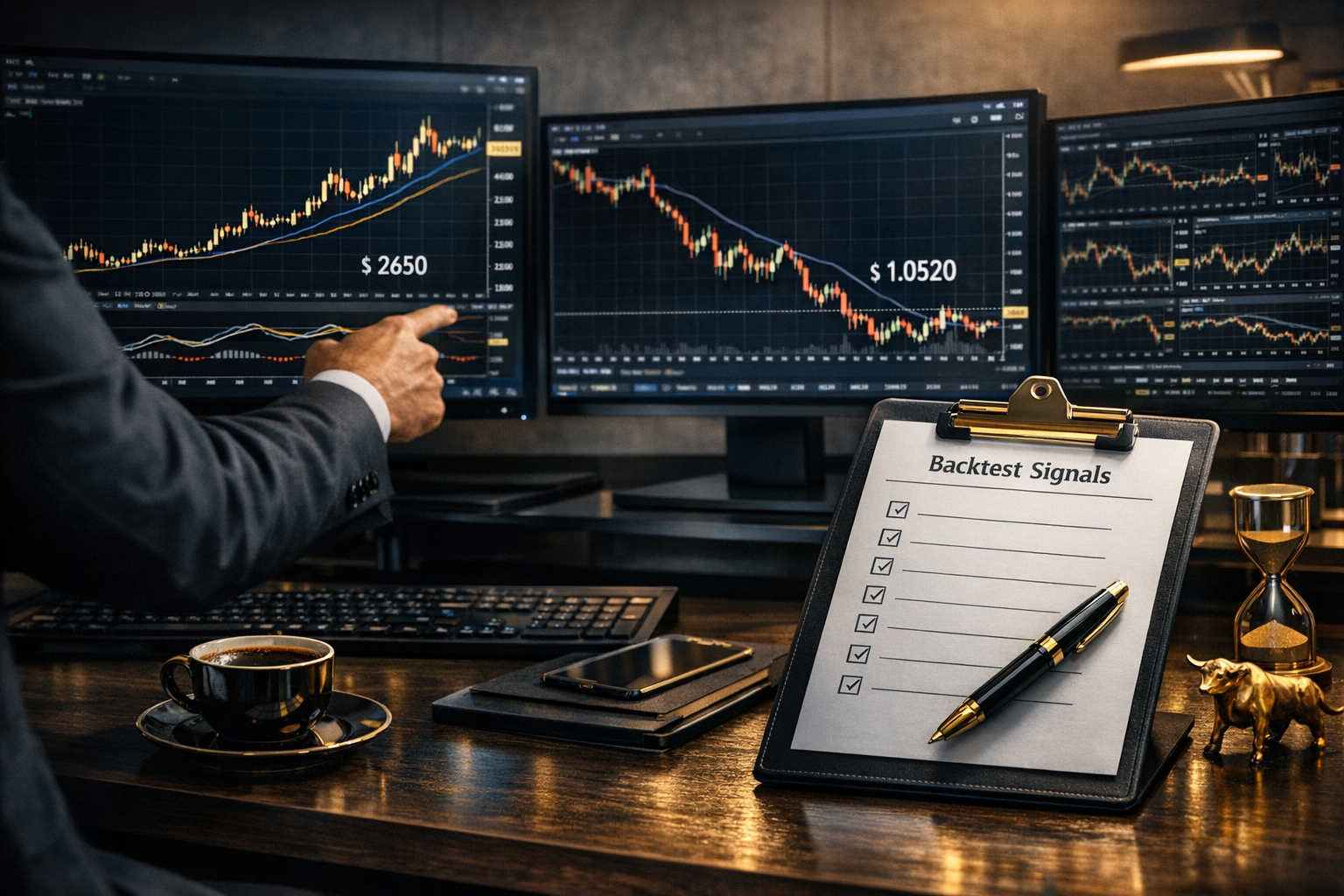
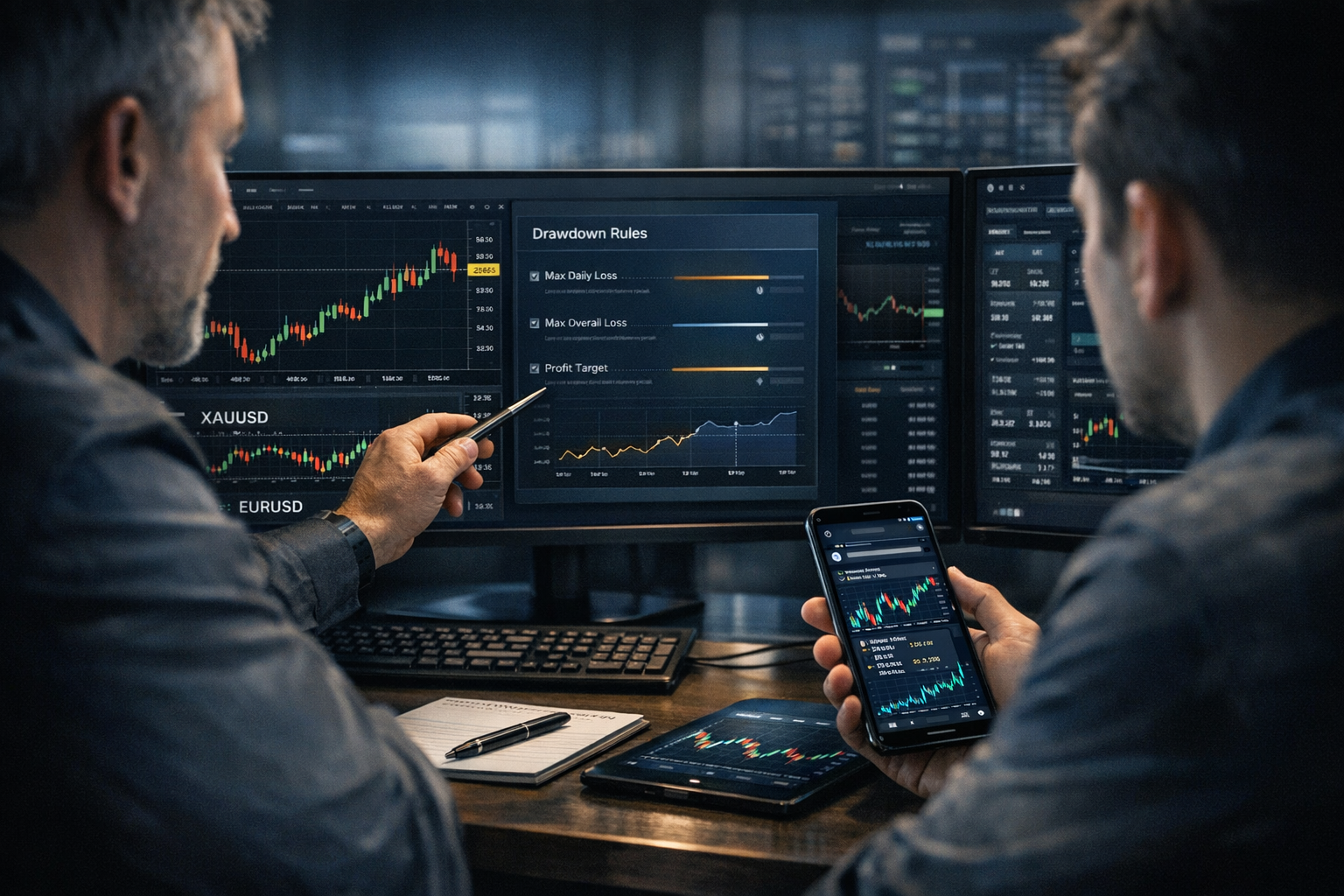
Scalping vs swing trading sounds like a simple choice—fast trades or slow trades.
But when you add signals into the mix, the real question becomes: which style fits your schedule, your psychology, and your ability to execute when the market is moving?
Right now, with Gold (XAUUSD) around $2650 (+0.35% in 24h) and the Dollar Index (DXY) near 106.80, volatility can spike quickly around London and New York opens.
That’s exactly where traders either thrive—or get chopped up.
TL;DR: Scalping vs Swing Trading with Signals (Key Takeaways)
- Scalping fits you if you can be present during London/NY sessions, execute fast, and stay calm under rapid P/L swings.
- Swing trading fits you if you want fewer decisions, can hold through pullbacks, and prefer daily/4H structure over micro-noise.
- With signals, the biggest edge is execution quality: scalpers need speed and tight risk; swing traders need patience and consistency.
- Capital needs aren’t just about account size—spread, slippage, and stop distance decide whether a style is viable.
- Most traders fail not from strategy, but from style mismatch (time constraints + psychology + risk tolerance).
- A simple approach: start swing on demo, then add selective scalps once your execution is proven.
Market Context: Why “Style” Matters More in Today’s Conditions
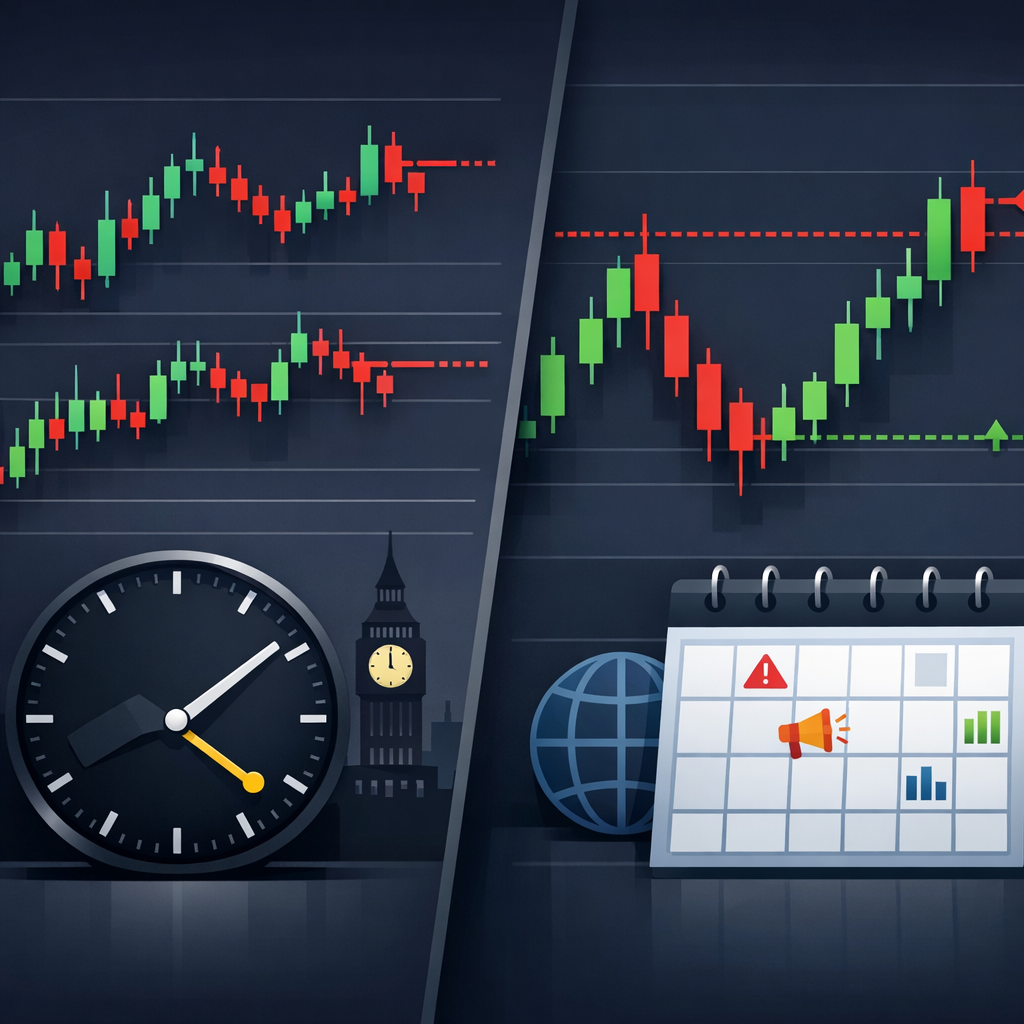
Trading style is not a personality quiz.
It’s a practical decision based on how price behaves and how you behave when price moves against you.
With XAUUSD around $2650, gold is trading at levels where intraday swings of $10–$25 can happen quickly.
That matters because a gold scalper might risk $10–$15 per trade, while a swing trader might risk $20–$35 depending on structure.
In FX, we also have a clear USD backdrop.
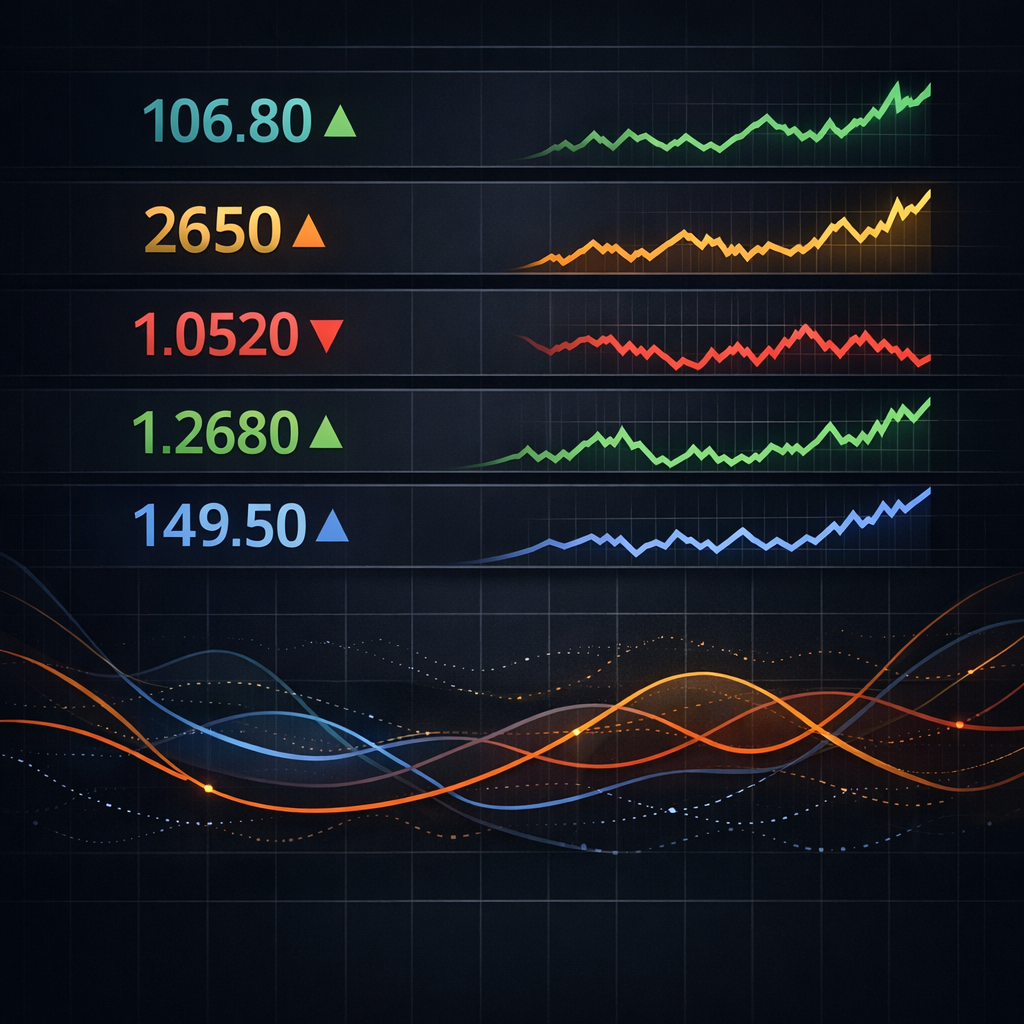
DXY at 106.80 keeps pressure on pairs like EUR/USD (1.0520) and influences flows into safe-haven assets.
Meanwhile, USD/JPY at 149.50 sits near levels where headlines and policy expectations can produce sudden spikes.
Here’s the key: scalping is more sensitive to micro-volatility.
A 1–2 pip spread widening, a small slippage event, or a 30-second news spike can ruin a scalp’s risk-reward.
Swing trading is less sensitive to those micro-effects, but it’s more exposed to overnight gaps, multi-day trends, and macro surprises.
Signals can help in both styles, but they don’t remove the need to match the style to your reality.
If you can’t watch the chart, a scalping signal becomes stressful.
If you can’t tolerate drawdown, a swing signal becomes unbearable.
At United Kings, our approach is built around the sessions where liquidity is strongest.
That means London and New York—because execution quality and follow-through improve when volume is real.
You’ll see this reflected across our premium channels on United Kings signals, including specialized streams for gold signals and forex signals.
Scalping with Signals: What It Really Looks Like (Not the Fantasy)
Scalping is often sold as “quick money.”
In reality, scalping is quick decision-making under pressure.
Signals can simplify the decision, but they don’t simplify the execution.
Typical scalping signal structure
A good scalping signal is usually built around a clear intraday level.
Think of a gold scalp near a liquidity zone like $2648–$2652 during London open.
Example structure:
- Buy XAUUSD: 2650.0
- Stop Loss: 2638.0 (risk $12)
- Take Profit 1: 2674.0 (reward $24, ~1:2)
- Take Profit 2: 2686.0 (reward $36, ~1:3)
Notice what matters: the stop is tight, and the trade expects quick follow-through.
If price hesitates, spreads widen, or you enter late, the math collapses.
Time requirement (the hidden cost)
Scalping requires presence.
Even with signals, you often need to:
- Enter within a small window (sometimes 1–5 minutes).
- Manage partial profits or move to breakeven quickly.
- Avoid trading into news spikes.
If you work a job, take calls, or can’t watch the screen, scalping becomes a stress machine.
Execution risk: spreads and slippage
Scalping is where trading costs hurt the most.
A 1–2 pip difference on EUR/USD can be the difference between a clean 1:2 and a breakeven day.
On gold, a $0.30–$0.80 spread and a $1–$2 slippage moment can distort a tight stop.
Psychological load
Scalping pushes your nervous system.
You’ll see fast P/L changes, multiple signals, and “almost there” moves.
If you revenge trade, overtrade, or need constant action, scalping can amplify those weaknesses.
Signals help by giving you structure—entry, SL, TP.
But you still must execute like a professional: calm, consistent, and selective.
Swing Trading with Signals: The Calm That Still Tests You
Swing trading is slower, but it’s not “easy mode.”
It simply moves the difficulty from speed to patience.
Typical swing signal structure
A swing signal is usually based on 4H or daily structure.
It targets multi-session movement and expects pullbacks.
Example on gold around current levels:
- Sell XAUUSD: 2668.0 (rejection zone)
- Stop Loss: 2690.0 (risk $22)
- Take Profit 1: 2624.0 (reward $44, ~1:2)
- Take Profit 2: 2602.0 (reward $66, ~1:3)
This trade can take hours to days.
It can also go into drawdown early, which is normal for swings.
Time requirement (why busy people like swings)
Swing trading fits traders who can check charts a few times a day.
You might only need to:
- Place orders once per session.
- Adjust stops at key milestones.
- Hold through noise without micromanaging.
That’s why many professionals and part-time traders start here.
Psychological load (different, not lower)
The pain of swing trading is not speed.
It’s watching a trade float -0.5R to -1R before it turns.
It’s holding a winner overnight while headlines hit the tape.
If you constantly check your phone and panic-close early, swing trading punishes you.
If you can follow a plan and accept uncertainty, swing trading rewards you.
Signals advantage for swing traders
Signals can be extremely effective for swing traders because execution windows are wider.
If a EUR/USD signal is built around 1.0520 with a zone entry like 1.0515–1.0525, you’re less likely to miss it.
You can also place pending orders more comfortably.
For traders who want fewer trades with higher structure, swing signals are often the most sustainable starting point.
Scalping vs Swing Trading with Signals: A Practical Comparison Table
Instead of debating which is “better,” compare what each style demands from you.
| Factor | Scalping with Signals | Swing Trading with Signals |
|---|---|---|
| Typical holding time | Minutes (1–30 min) | Hours to days (sometimes 1–2 weeks) |
| Best sessions | London open, NY open, overlaps | End-of-day, 4H closes, post-news structure |
| Execution sensitivity | Very high (spread/slippage matter a lot) | Moderate (structure matters more than micro-costs) |
| Stop size (Gold example) | $10–$15 typical | $20–$35 typical |
| Signal frequency | Higher (more setups) | Lower (more selective) |
| Psychological challenge | Speed, overtrading, revenge trading | Patience, holding drawdown, letting winners run |
| Best for | Traders who can watch charts and act fast | Traders with jobs, families, or decision fatigue |
Time, Lifestyle, and Attention: The Real “Edge” Most Traders Ignore
Most traders pick a style based on what looks exciting.
Professionals pick a style based on what they can execute every week.
Ask yourself these three lifestyle questions
- Can you be present during London and NY? If yes, scalping becomes possible.
- Can you focus without interruptions for 60–120 minutes? If no, scalping becomes risky.
- Can you avoid checking trades every 5 minutes? If no, swing trading becomes stressful.
Here’s a realistic scenario.
You receive a gold scalp signal at 8:05 London time: buy 2650, SL 2638, TP 2674.
If you’re in a meeting and enter at 2656, your risk becomes $18 to the same stop.
Your 1:2 becomes closer to 1:1.1, and the trade no longer matches the intended math.
Now compare that with a swing signal on GBP/USD near 1.2680.
If the entry zone is 1.2670–1.2690 and you enter 10 pips late, the trade may still be valid.
The structure usually allows it.
Attention is a form of capital
Traders talk about account size, but attention is just as important.
Scalping spends attention quickly.
Swing trading spends patience.
Signals don’t replace your responsibility
Signals are a decision framework, not a remote control.
You still manage:
- Whether you’re available to execute.
- Whether spreads are acceptable.
- Whether news risk is high in the next 15–60 minutes.
If you want a deeper checklist for evaluating any provider, keep this bookmarked: forex trading signals provider checklist.
It helps you filter hype from process.
Capital, Leverage, and Position Sizing: Which Style Is More Forgiving?
Capital “requirements” are misunderstood.
You can scalp with a small account and you can swing with a small account.
The real question is: can you size properly without emotional pressure?
Why scalping can feel harder on small accounts
Scalping often uses tighter stops.
That sounds good, but it tempts traders to oversize positions.
They see a $12 gold stop and think, “I can go bigger.”
Then a normal loss feels like a punch.
And two losses in a row triggers revenge trading.
Why swing trading can feel “slow” on small accounts
Swing stops are wider.
If you risk 1% per trade, your lot size may feel small.
That’s actually healthy, but it tests your patience.
A simple position sizing example (Gold)
Let’s say your account is $2,000 and you risk 1% ($20) per trade.
If your gold stop is $20 (for example, entry 2668 and SL 2688), you can size so that $20 equals the stop distance.
If your stop is $10, your position size doubles.
That is exactly why scalping can become psychologically intense fast.
Rule of thumb: match risk to the style
- Scalpers: consider 0.25%–0.75% risk per trade, because frequency is higher.
- Swing traders: 0.5%–1% risk per trade is common, because frequency is lower.
If you want a structured framework, we laid it out step-by-step in risk management strategies when using forex signals.
It’s the difference between surviving and compounding.
Psychology: The Style That Matches Your Weaknesses (Not Your Ego)
Most traders choose a style that matches their ego.
They should choose a style that matches their weaknesses—because that’s what will blow them up.
If you struggle with impatience
You’ll hate swing trading at first.
You’ll close too early and watch price hit TP without you.
Signals help by giving you objective targets, but you must respect them.
If you struggle with overtrading
Scalping is dangerous.
Even with high-quality signals, you can add “extra” trades that were never part of the plan.
That’s how a good day turns into a red week.
If you struggle with taking losses
Both styles will punish you, but in different ways.
Scalping forces you to accept frequent small losses.
Swing trading forces you to accept larger floating drawdowns.
A real-world psychological scenario (Gold at $2650)
Imagine gold is ranging between 2642 and 2662 for two hours.
A scalper sees 10 “almost breakouts” and gets chopped.
A swing trader may do nothing, waiting for a 4H close and clean break.
Neither trader is “better.”
One is better suited for that market condition and that mental profile.
Signals reduce decision fatigue, not emotional reactions
Signals can reduce analysis paralysis.
They cannot prevent you from:
- Moving your stop.
- Taking profit early.
- Doubling down after a loss.
Your style choice should minimize the situations where you typically self-sabotage.
How Signals Should Be Used Differently for Scalping vs Swing Trading
The biggest mistake traders make with signals is using them the same way across styles.
Scalping signals and swing signals require different execution rules.
Scalping signals: rules that protect your edge
- Entry discipline: if you miss the entry by more than a small tolerance, skip it.
- Spread check: don’t enter if spread is widened during session open spikes.
- News filter: avoid opening new scalps within 10–15 minutes of high-impact events.
- One mistake rule: after one impulsive trade, stop trading for 30 minutes.
Scalping is a game of small edges repeated.
One emotional trade can wipe out three clean wins.
Swing signals: rules that keep you in the trade
- Use zones: accept entries within a range, not a single price.
- Plan management: decide in advance when you move SL to breakeven.
- Partial profits: consider taking 30%–50% at TP1 and letting the rest run.
- Hold through noise: don’t micromanage every 15-minute candle.
Example: EUR/USD swing vs scalp execution
EUR/USD is around 1.0520.
A scalp might target 8–15 pips with a 6–8 pip stop around a session breakout.
A swing might target 60–150 pips using daily structure, with a 30–60 pip stop.
Both can be valid.
But if you manage the swing like a scalp, you’ll exit too early.
If you manage the scalp like a swing, you’ll let a small loser become a big one.
Where United Kings fits in
United Kings is built for traders who want clear Entry, SL, and TP levels and a consistent process.
We focus heavily on the London and NY sessions and share educational context alongside setups.
If you want to see how our Telegram format works for newer traders, read our Forex signals Telegram beginners guide.
Step-by-Step: How to Choose Your Trading Style in 30 Minutes
You don’t need weeks of overthinking.
You need a simple decision framework and honest answers.
Step 1: Pick your available trading windows
Write down when you can trade without interruptions.
- 60–120 minutes during London/NY: scalping is possible.
- 10 minutes, 3–5 times a day: swing is better.
- Only evenings: swing is usually best.
Step 2: Define your maximum comfortable drawdown per trade
Not what you “should” tolerate—what you actually tolerate.
- If a -$15 move on gold makes you panic, scalping might still be okay, but you must size down.
- If a -$25 move on gold makes you close instantly, swing trading will be difficult unless you reduce size dramatically.
Step 3: Choose a risk model (simple and strict)
- Scalping model: 0.5% risk, max 3 trades/day, stop after 2 losses.
- Swing model: 1% risk, max 3 positions open, review once per session.
Step 4: Match the signal type to your model
If you’re choosing scalping, you need signals that are built for speed and session liquidity.
If you’re choosing swing, you need signals that respect higher timeframe structure and allow zone entries.
Step 5: Run a 20-trade demo test
Don’t negotiate this step.
Take 20 trades on demo following the rules exactly.
Then answer:
- Did you follow entries without chasing?
- Did you respect SL every time?
- Did you interfere with TP?
If you want a gold-specific perspective on how signals behave when volatility spikes, this is essential reading: how gold signals react to unexpected news events.
Day Trading vs Swing: What Changes in Strategy on Gold and Major FX Pairs
“Day trading vs swing” isn’t only about time.
It’s about what you’re trading and how that instrument behaves around liquidity.
Gold (XAUUSD): volatile, emotional, and level-driven
Gold around $2650 can move $5 in seconds during a liquidity grab.
That’s why scalping gold is attractive—and dangerous.
Gold also respects clean levels, which is great for both scalps and swings when your plan is disciplined.
Practical example:
- Scalp idea: Buy 2646 on a quick reclaim, SL 2634, TP 2670 (1:2).
- Swing idea: Buy 2620 on a daily support retest, SL 2600, TP 2660/2680.
EUR/USD: smoother, but sensitive to USD narrative
At 1.0520, EUR/USD tends to move in cleaner intraday waves than gold.
Scalps can work well around London breakouts.
Swings work best when the macro trend is clear and you’re trading pullbacks.
GBP/USD: faster than EUR/USD, loves stop hunts
GBP/USD at 1.2680 often spikes and reverses.
Scalpers need strict rules because “fake breaks” are common.
Swing traders can benefit if they wait for confirmation and use wider structure stops.
USD/JPY: headline risk and policy sensitivity
USD/JPY around 149.50 can react violently to yield changes and central bank commentary.
Scalping it requires discipline around news and spreads.
Swing trading it requires comfort holding positions through macro headlines.
Signals and instrument selection
If you’re new, don’t trade everything.
Pick one: gold or one major pair.
Then master execution with signals before expanding.
If your main interest is gold, you’ll want the dedicated stream at United Kings Gold signals.
If you prefer majors, start with United Kings Forex signals and build consistency.
Common Mistakes When Using Signals for Scalping and Swing Trading (And Fixes)
Signals are powerful, but traders often sabotage them in predictable ways.
Here are the mistakes we see most—and how to fix them.
Mistake #1: Entering late and pretending it’s the same trade
This is the #1 killer for scalpers.
If the gold signal is buy 2650 and you enter 2657, you changed the trade.
Fix: define an “entry tolerance,” like max $2 on gold or max 2–3 pips on majors.
Mistake #2: Moving stop loss “just this once”
It’s never just once.
Fix: commit to a hard rule—if SL is hit, you stop and review.
This is especially important in fast markets near DXY 106.80 where USD-driven moves can accelerate.
Mistake #3: Taking profit early because you want to feel right
Scalpers do this to avoid reversals.
Swing traders do this because holding winners feels uncomfortable.
Fix: use partials.
For example, take 50% at 1:1 and keep the rest for TP1/TP2.
Mistake #4: Trading every signal without a daily limit
More trades doesn’t mean more profit.
It often means more mistakes.
Fix: set a maximum number of trades per day (scalpers) or per week (swing traders).
Mistake #5: Ignoring the calendar
High-impact news can invalidate technical setups temporarily.
Fix: if you’re unsure how to adjust, focus on avoiding new entries right before major releases.
Also, keep learning from the educational side of the community and blog at United Kings blog.
Which Signal Approach Works Best for You? (Scalp-Only, Swing-Only, or Hybrid)
You don’t have to choose one style forever.
But you do need one primary style while you build consistency.
Option A: Scalping-only (for highly available traders)
This fits you if you can trade most weekdays during London/NY.
You want frequent opportunities and you can follow strict limits.
Your biggest rule must be: quality over quantity.
Option B: Swing-only (for busy traders and consistency builders)
This fits you if you prefer fewer trades and less screen time.
You can tolerate holding through pullbacks.
Your biggest rule must be: don’t micromanage.
Option C: Hybrid (the professional path, once you’re stable)
Hybrid is where many experienced traders land.
You swing trade the main bias and scalp around key levels in the same direction.
Example hybrid approach on gold:
- Swing bias: bullish above 2620 support, targeting 2680–2690.
- Scalp entries: buy dips near 2640–2645 with $10–$12 stops.
This approach can work well in current conditions where gold is elevated and intraday volatility is active.
But it requires discipline, because it’s easy to overtrade.
How United Kings supports each approach
Our premium Telegram signals are designed to be clear and executable.
We share Entry, SL, TP, and context so you can align the setup with your style.
We also have a large community of 300K+ active traders, which helps you stay accountable and learn faster.
You can join the live channel here: United Kings Telegram signals channel.
Getting Started: A Simple 14-Day Plan to Lock in Your Style
Most traders don’t need a new strategy.
They need a repeatable routine.
Here’s a practical 14-day plan to decide your style and make signals work for you.
Days 1–3: Choose one instrument and one session
- Pick Gold (XAUUSD) or one major pair (EUR/USD, GBP/USD, USD/JPY).
- Pick a session: London or New York.
- Write your “no-trade” times (meetings, commute, family time).
Days 4–7: Demo trade with strict rules
- Scalpers: max 2–3 trades/day, risk 0.5% each.
- Swing traders: max 1 trade/day, risk 1% each.
- Log every trade: entry quality, emotion level, and rule breaks.
Days 8–10: Review execution, not profits
Ask:
- Did you chase entries?
- Did you move SL?
- Did you close early?
If you broke rules often, your style is too demanding right now.
Days 11–14: Go live with micro risk (or stay demo)
If you’re consistent on demo, go live with the smallest risk you can.
If you’re not consistent, stay on demo.
This is how professionals protect their long-term edge.
When you’re ready to choose a provider, compare what you’re getting.
For an up-to-date benchmark, see our best forex signals provider breakdown.
FAQ: Scalping vs Swing Trading with Signals
1) Is scalping more profitable than swing trading?
Not automatically.
Scalping can produce more opportunities, but costs (spread/slippage) and mistakes can also be higher.
Swing trading often has fewer trades with potentially larger moves, but it requires patience and comfort holding positions.
2) Can beginners use scalping signals?
Yes, but it’s harder.
Beginners should start on demo and use strict limits, because scalping punishes late entries and emotional decisions.
Many beginners progress faster by starting with swing signals first.
3) What account size do I need for swing trading vs scalping?
There’s no single number.
What matters is whether you can risk a small percentage per trade and still place stops where the setup is valid.
If your account forces you to use stops that are too tight, you’ll get stopped out by normal volatility.
4) How do I know if a signal is meant for scalping or swing trading?
Look at the stop size, target distance, and context.
Scalps usually have tighter stops and closer targets, often aligned with session liquidity.
Swings usually reference higher timeframe structure and allow wider stops and larger targets.
5) Can I combine both styles without getting overwhelmed?
Yes, but only after you prove consistency in one style.
A good hybrid approach is to swing trade the main direction and take selective scalps only in that direction during London/NY.
Risk Disclaimer (Read This Before You Trade)
Forex and gold trading involves significant risk and may not be suitable for all investors.
Signals and educational content are not financial advice, and past performance does not guarantee future results.
You can lose some or all of your capital, especially when using leverage.
If you’re a beginner, we strongly recommend starting on a demo account and using strict risk management before trading live.
Join United Kings: Premium Signals Built for Real Traders
If you want signals that are designed to be executed in real market conditions—especially around London and New York sessions—United Kings is built for you.
We provide premium Telegram signals for forex and gold with clear Entry, SL, and TP levels, and we focus on disciplined execution and education.
Our community includes 300K+ active traders, and we back our service with a 48-hour money-back guarantee.
Start here based on your focus:
Check plans and pick what fits your timeline at United Kings pricing:
- Starter (3 Months): $299 (~$100/mo)
- Best Value (1 Year): $599 ($50/mo) + FREE ebook (50% savings)
- Unlimited (Lifetime): $999 (pay once, access forever)
And if you want to join the live Telegram channel now, you can access it here: United Kings premium Telegram signals.
Your next step is simple: choose the style you can execute consistently, then let signals support your process—not replace it.